Introduction
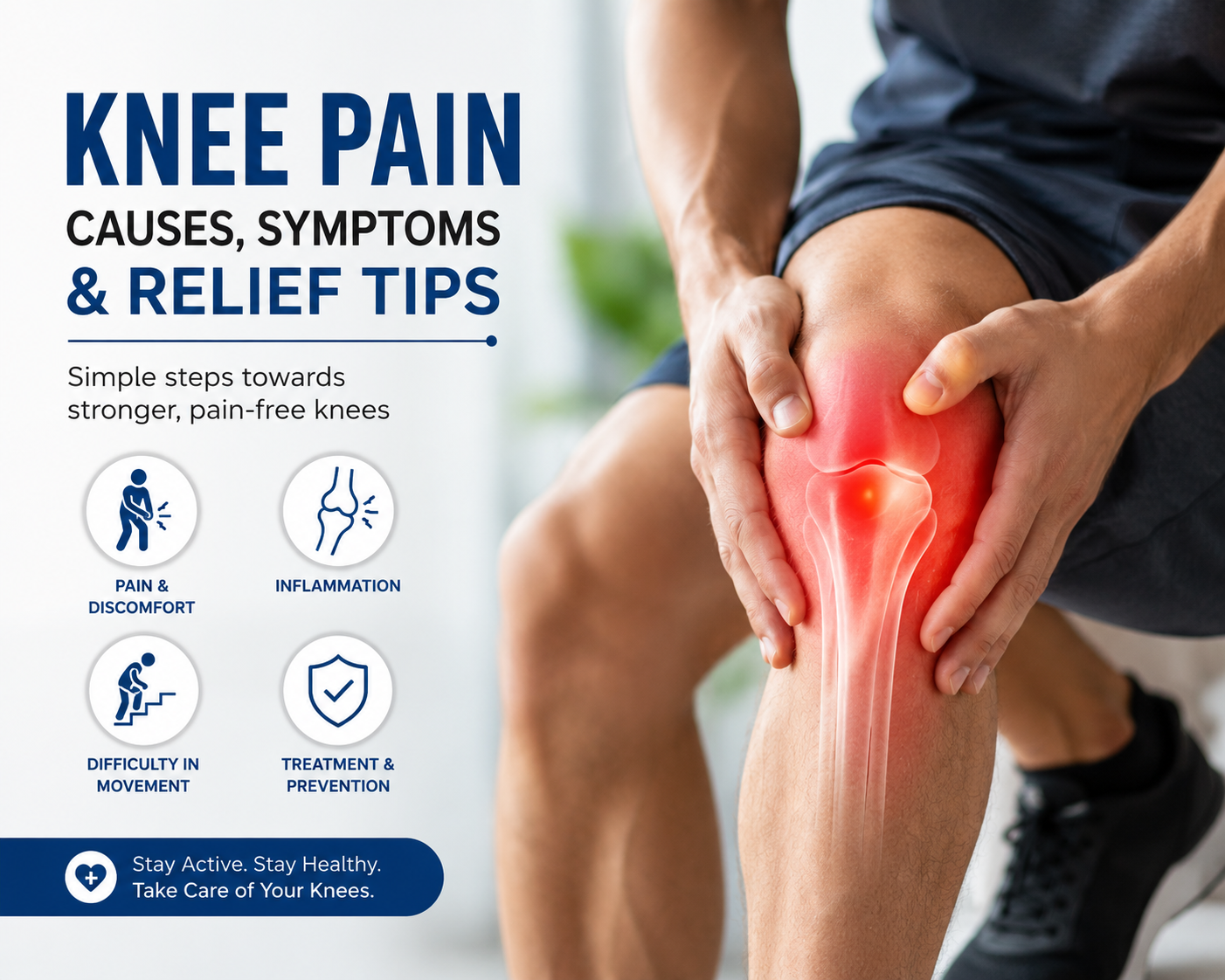
Knee pain is one of the most common orthopedic problems affecting people of all ages. Whether you’re a young athlete, a working professional, or an older adult, knee pain can interfere with your daily routine and reduce your quality of life.
Sometimes knee pain develops after an injury, while in other cases it may result from age-related wear and tear or an underlying medical condition. Identifying the exact cause is the first step toward effective treatment.
Let’s explore the 10 most common causes of knee pain and the available treatment options.
1. Osteoarthritis
Osteoarthritis is one of the leading causes of knee pain, especially in people over 50. It occurs when the protective cartilage in the knee gradually wears away.
Symptoms
- Pain while walking
- Morning stiffness
- Swelling
- Difficulty climbing stairs
Treatment
- Pain-relieving medications
- Physiotherapy
- Weight management
- Knee replacement surgery in advanced cases
2. Ligament Injuries (ACL, PCL, MCL)
Sports activities, sudden twisting movements, or accidents can damage the ligaments that stabilize the knee.
Symptoms
- Sudden severe pain
- Swelling within hours
- Knee instability
- Difficulty walking
Treatment
- Rest and ice therapy
- Knee brace
- Physiotherapy
- Arthroscopic ligament reconstruction, if required
3. Meniscus Tear
The meniscus acts as a cushion between the thigh bone and shin bone. A sudden twist or deep squat may tear it.
Symptoms
- Locking sensation
- Clicking sounds
- Pain while bending
- Swelling
Treatment
- Rest
- Physiotherapy
- Arthroscopic surgery for severe tears
4. Patellar Tendinitis
Also known as Jumper’s Knee, this condition commonly affects athletes involved in running or jumping sports.
Symptoms
- Pain below the kneecap
- Tenderness
- Pain during activity
Treatment
- Activity modification
- Stretching exercises
- Anti-inflammatory medication
- Physiotherapy
5. Bursitis
Bursae are small fluid-filled sacs that reduce friction around the knee. Inflammation of these sacs causes bursitis.
Symptoms
- Swelling
- Warmth around the knee
- Pain while kneeling
Treatment
- Ice packs
- Rest
- Medication
- Fluid drainage, if necessary
6. Rheumatoid Arthritis
This is an autoimmune condition that causes inflammation in multiple joints, including the knees.
Symptoms
- Persistent swelling
- Morning stiffness
- Pain in both knees
- Fatigue
Treatment
- Disease-modifying medications
- Physiotherapy
- Regular medical follow-up
7. Gout
Gout occurs when excess uric acid crystals accumulate in the joints.
Symptoms
- Sudden severe pain
- Redness
- Swelling
- Difficulty moving the knee
Treatment
- Uric acid-lowering medications
- Dietary changes
- Adequate hydration
8. Obesity
Excess body weight puts additional pressure on the knee joints, accelerating cartilage damage.
Symptoms
- Pain after walking
- Difficulty standing for long periods
- Gradual worsening of discomfort
Treatment
- Weight loss
- Regular exercise
- Lifestyle modifications
9. Fractures Around the Knee
Falls, road accidents, or direct trauma can cause fractures involving the kneecap or nearby bones.
Symptoms
- Severe pain
- Inability to bear weight
- Swelling
- Visible deformity
Treatment
- X-rays
- Casting or bracing
- Surgery for displaced fractures
10. Overuse and Muscle Strain
Repeated movements without adequate rest can strain the muscles and tendons around the knee.
Symptoms
- Mild aching pain
- Muscle tightness
- Pain after exercise
Treatment
- Rest
- Ice therapy
- Stretching exercises
- Gradual return to activity
When Should You See an Orthopedic Specialist?
Do not ignore knee pain if you experience:
- Severe pain after an injury
- Swelling that doesn’t improve
- Difficulty walking
- Knee instability
- Locking or inability to bend the knee
- Persistent pain lasting more than a few days
Early diagnosis helps prevent long-term joint damage and improves recovery outcomes.
Tips to Keep Your Knees Healthy
- Maintain a healthy body weight.
- Exercise regularly to strengthen leg muscles.
- Wear supportive footwear.
- Avoid sudden twisting movements.
- Warm up before physical activities.
- Follow a balanced diet rich in calcium and vitamin D.
Conclusion
Knee pain can occur due to various reasons, ranging from minor muscle strain to advanced arthritis. Understanding the underlying cause is essential for choosing the right treatment and preventing future complications.
If your knee pain is persistent or worsening, or is affecting your daily activities, consult an experienced orthopedic specialist for a proper evaluation. Early treatment not only relieves pain but also helps preserve joint function and improve your overall quality of life.